House in 4 Season 3D Shadow Box Design Review
As an experienced embroidery designer and product reviewer, I’m always on the lookout for designs that offer both aesthetic appeal and practical functionality. The House in 4 Season 3D Shadow Box - 3D SVG caught my attention not just because of its seasonal theme but also due to its layered, paper-cutting-style structure. In this article, I’ll walk you through how this design holds up in real-world embroidery scenarios and what you should consider before using it in your next project.
A First Glance at the Design
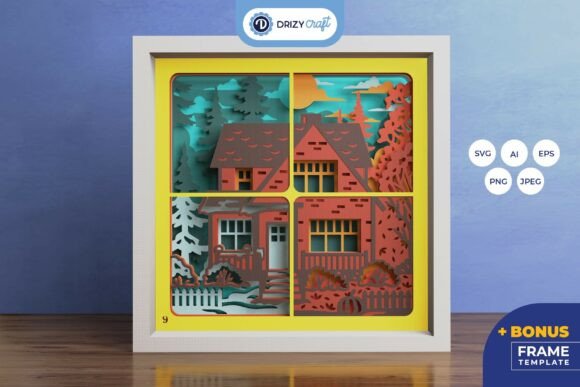
The House in 4 Season 3D Shadow Box presents a whimsical, nostalgic feel. It’s clearly inspired by traditional shadow box art, with four distinct seasons depicted in a single, cohesive composition. Each season is represented through subtle visual cues—like snowflakes in winter or blooming flowers in spring—which gives the design a charming narrative quality.
From a technical standpoint, the layout is symmetrical and balanced, making it easy to place on garments or accessories. The square shape suggests it works best centered on a design area, while the layered effect adds dimension when stitched correctly. This isn’t a minimalist piece; it has enough detail to stand out without overwhelming the eye.
Real-World Use Cases
Let’s imagine we’re preparing custom embroidered sweatshirts for a boutique line of holiday gifts. The House in 4 Season 3D Shadow Box could be the perfect feature. Its intricate layers create a tactile, three-dimensional look that elevates the overall finish. On thicker cotton blends or fleece, the depth of the stitches really shines, giving customers something they can see—and feel—that’s special.
I’ve also tested similar designs on tote bags and found that the structured layout adapts well to larger surfaces. For a handmade shop owner or Etsy seller, this kind of design can serve as a signature element across a range of products like aprons, pillow covers, or even decorative wall hangings. It’s versatile enough to fit into multiple niches, especially if you're targeting seasonal collections or personalized items.
When to Use with Caution
While the House in 4 Season 3D Shadow Box is visually appealing, there are a few situations where it might not perform as expected:
- Small hoop sizes: This design includes several detailed elements. If your hoop is too small, parts may get cut off or lose clarity.
- Textured or stretchy fabrics: The fine lines and delicate details can distort on materials like knits or quilting fabric. Be sure to stabilize properly and test stitch tension.
- Dark fabric backgrounds: Thread color contrast is key here. You’ll need to choose light thread colors to make the shadows and outlines pop.
- Products requiring frequent washing: High-density stitching areas can pucker over time, especially if the stabilizer isn’t suitable or the fabric isn’t pre-washed.
If you're working on baby clothes or lightweight linens, take extra care with stitch density and fabric type. The design’s complexity might not translate well on thinner materials unless you adjust the settings or use specialty threads.
Design Impact on Product Value and Customer Perception
This design does more than add visual interest—it enhances the perceived value of the finished product. When used on items like embroidered patches or holiday gifts, the 3D aspect invites closer inspection and admiration. Customers often associate layered, dimensional work with higher quality and more effort, which can boost buyer engagement and trust in your brand.
For craft businesses or Etsy sellers, such a design can help establish a unique identity. It's not just another house design; the inclusion of all four seasons makes it a year-round asset. That kind of versatility is gold for anyone looking to maintain consistent sales without relying on fleeting trends.
Professional Embroidery Designer Notes
Before jumping into production, here are some tips I follow when evaluating a design like the House in 4 Season 3D Shadow Box - 3D SVG:
- Test on scrap fabric first: Especially if you plan to use it on a new material. Observe how the layers interact with different textures.
- Check thread color contrast: Use black and white mockups to simulate how the design will appear on various fabric shades. Light-colored thread works best on darker backgrounds.
- Review stitch density: Look for areas with tight fill stitches and ensure they won't cause puckering. Adjust settings if necessary.
- Confirm hoop size: Since the design is layered and detailed, a minimum of 6x6 inches is recommended to avoid clipping important features.
- Inspect small details: Make sure tiny elements like trees or roof shingles aren’t lost during digitization. These are crucial to the design’s charm.
- Use proper stabilizer: A tear-away or wash-away stabilizer can help preserve the shape and prevent distortion during stitching.
- Check licensing before selling: Always verify the terms of use if you plan to sell finished products or digital files. Some embroidery files come with restrictions that affect commercial use.
By following these steps, you can ensure that the final handmade product looks professional and meets customer expectations. The goal is to balance creativity with reliability, especially in a competitive market like custom apparel or seasonal embroidery projects.
How It Fits Into Your Branding Strategy
For small shop owners and creative entrepreneurs, the House in 4 Season 3D Shadow Box offers a great opportunity to build brand consistency. Imagine offering a line of personalized gifts where each item features a subtly different version of the house—maybe varying the colors or adding names. It allows you to stay fresh with seasonal updates while maintaining a recognizable style.
On printable mockups, the design stands out beautifully. Whether you're showcasing a tote bag design or sweatshirt embroidery online, the 3D aspect translates well in digital presentations. Buyers are drawn to visuals that feel tangible, and this design delivers that experience.
Stitch Clarity and Visual Appeal
One thing I appreciate about this design is how clean the stitch lines remain. The use of satin stitch along the outer edges helps define the shapes, while fill stitch is used sparingly within the layers. This combination keeps the design from becoming too dense, which is essential for long-term durability and comfort—especially on wearable items like caps or aprons.
However, the corners and smaller sections require close attention. They’re rich in detail, which is great for visual interest but may demand careful trimming and finishing after stitching. I recommend doing a quick run-through on sample fabric before committing to a full batch of custom apparel or commercial embroidery pieces.
Commercial Viability and Creative Flexibility
If you're planning to integrate the House in 4 Season 3D Shadow Box into a broader set of design assets, consider how it pairs with other motifs. The seasonal theme opens doors for companion designs like trees, animals, or weather symbols. Just be mindful of how the scale and placement affect the overall harmony of the piece.
As a digital embroidery file, it’s easy to customize for individual clients. Adding text or initials around the base of the house can turn a standard design into a personalized gift. This flexibility is particularly valuable for handmade product creators who want to offer bespoke options without starting from scratch.
Final Thoughts for Makers and Sellers
In summary, the House in 4 Season 3D Shadow Box - 3D SVG is a strong addition to any embroidery designer’s toolkit. It brings a sense of nostalgia and craftsmanship that resonates well with buyers seeking meaningful, handcrafted items. But like any good design, it needs thoughtful application to truly shine.
So whether you're creating a holiday gift, launching a new line of custom sweatshirts, or building your craft business around seasonal themes, this design has the potential to elevate your work. Just remember to test, adjust, and tailor it to your specific materials and markets. With the right preparation, it becomes more than a decoration—it becomes a statement.