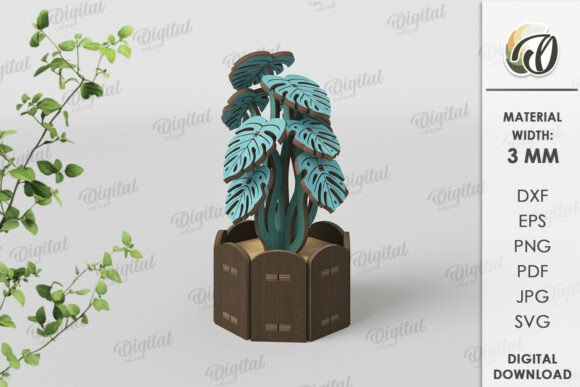
3D Plant Decor Laser Cut for Embroidery Projects
If you're an embroidery designer or craft business owner looking to elevate your next project with a touch of nature and depth, the 3D Plant Decor Laser Cut design might just catch your eye. As someone who has tested dozens of digital embroidery files across various applications, I wanted to take a closer look at how this particular design translates into real-world projects — from custom apparel to personalized gifts.
First Impressions: A Touch of Botanical Sophistication
The moment I unzipped the file folder containing the 3D Plant Decor Laser Cut, I was struck by its visual personality. The design is clearly inspired by botanical elements, but it's not just another flat floral pattern. It brings a sense of dimensionality that feels fresh and modern, even in digital form. The layered structure suggests a 3D effect once cut and stitched, making it ideal for appliqué work where texture can really shine.
I found the layout to be balanced yet bold. The plant motif is centered and flanked by subtle details that give it character without overwhelming the space. This makes it versatile enough to sit nicely on both large and medium-sized items. The level of detail is moderate, which is great because it means the design won’t get lost when scaled down for smaller products like embroidered patches or caps.
Real-World Application: Tote Bag Design as a Case Study
To test the design’s practicality, I applied it to a tote bag design intended for a local boutique. The fabric was a mid-weight cotton canvas, perfect for machine embroidery. After converting the SVG file into an embroidery format and adjusting the stitch types accordingly, I used a combination of satin stitch and running stitch to create definition between the layers.
What stood out during the process was how the design maintained its clarity and charm even after being stitched. The contrast between the different layers helped create a soft shadow effect, giving the finished tote a more premium look than standard two-dimensional designs. Customers at the boutique responded positively, noting how the 3D feel made the product stand out among others in the line.
This kind of reaction is exactly what you want when creating handmade products or Etsy listings. The 3D Plant Decor Laser Cut doesn’t just add decoration; it adds value through its perceived craftsmanship and uniqueness.
Where It Shines
- Custom Apparel: Sweatshirts and t-shirts benefit from the clean lines and dimensional appeal of this design. Especially when paired with minimalist color schemes, it becomes a statement piece.
- Embroidered Patch: The design’s structure allows it to work well as a standalone patch. When using a good stabilizer, the 3D layering comes through beautifully.
- Baby Clothes & Nursery Decor: The gentle, natural theme fits perfectly with baby items. It’s whimsical but still elegant, making it a popular choice for parents seeking something unique.
- Holiday Gifts: Whether stitched onto aprons, pillow covers, or tea towels, the design adds a festive yet timeless touch, especially around Earth Day or birthdays.
- Etsy Sellers & Small Shop Merchandise: For those running a craft business, this design can become a signature element. Its visual appeal helps boost buyer engagement and can make your product more memorable.
Use with Caution: Practical Limitations to Consider
While the 3D Plant Decor Laser Cut is impressive, there are certain scenarios where it might not perform as expected. Here are some key considerations:
- Small Hoop Sizes: The design isn't suited for very small hoops due to its layered structure. If you’re working on embroidered buttons or tiny tags, you’ll need to simplify or scale it down carefully.
- Textured or Stretchy Fabrics: On fabrics like denim or stretchy knits, the dimensional aspect may flatten out or distort slightly. Always test on scrap before finalizing production.
- Dark Fabric Backgrounds: While the design works well on light-colored materials, it loses some of its impact on darker fabrics. Consider adding a white underlay or using thread colors that pop against the background.
- Curved Surfaces: When stitching on curved surfaces like caps or hats, the corners and edges of the design may require manual adjustments to avoid puckering or distortion.
- Frequent Washing: Because of the layered construction, this design may show wear faster on items like kitchen towels or aprons. Reinforcing the back with a washable stabilizer could help maintain its shape over time.
Design Impact: Visual Appeal and Brand Consistency
From a professional standpoint, the 3D Plant Decor Laser Cut adds a noticeable amount of visual interest to any product. It’s not just about aesthetics — it also affects how customers perceive your brand. In my experience, a well-executed 3D design can signal professionalism and attention to detail, especially in handmade products or boutique branding efforts.
When considering product value and giftability, this design performs well. It’s often chosen for personalized gifts because of its organic feel and subtle elegance. That said, for commercial embroidery or mass-produced items, ensure the design aligns with your brand’s style and target audience. It leans toward bohemian, nature-inspired, and cozy — so it may not fit every niche equally well.
Customer Trust and Buyer Engagement
One thing I’ve noticed is that customers tend to trust businesses that offer high-quality, visually distinct products. The 3D Plant Decor Laser Cut contributes to this perception when done right. Using it in a printable mockup for your website or social media can significantly increase buyer engagement. People are drawn to designs that look handcrafted and thoughtful, and this one definitely hits that mark.
Designer Notes: Best Practices Before Stitching
Before diving into a full run of custom items, here are some practical tips I recommend to fellow embroidery designers and hobbyists:
- Test on Scrap Fabric: Always stitch a sample first. This lets you see how the design holds up and gives you room to adjust thread tension or stitch density if needed.
- Check Thread Color Contrast: Choose thread colors that complement the fabric but still provide enough contrast to highlight the 3D features.
- Review Stitch Density: Dense areas can cause puckering or stiffness. Use a good quality stabilizer and consider reducing density in non-critical sections.
- Confirm Hoop Size: Make sure your hoop can accommodate the entire design without stretching the fabric too much. Some laser-cut designs expand when converted for embroidery, so double-check the dimensions.
- Inspect Small Details: The corners and inner parts of the design should be checked closely. Tiny elements can easily break off or become misaligned if not handled properly.
- Black-and-White Mockups: Test the design in grayscale to see how it will appear if printed digitally or viewed in low-light settings.
- Compare Light and Dark Fabrics: The same design can look vastly different depending on the background. Try it on a few fabric samples to find the best match.
- Use Proper Stabilizer: Especially important for thin or stretchy materials. A tear-away or cut-away stabilizer can help preserve the integrity of the 3D structure.
- Licensing Check: Since this is a digital embroidery file, always confirm the licensing terms before using it in commercial projects or reselling it as part of a digital product.
Final Thoughts: A Design Worth Considering
In summary, the 3D Plant Decor Laser Cut is a compelling option for embroidery designers and creative entrepreneurs looking to bring a bit of botanical flair to their handmade or branded items. It’s not just a trendy design — it’s one that can truly enhance the visual appeal and perceived value of your embroidery project.
That said, like all embroidery files, it requires thoughtful application. Understanding where it excels and where it needs careful handling will help you maximize its potential. Whether you're preparing a batch of sweatshirt embroidery for a seasonal collection or designing a line of holiday gifts, this design offers a fresh perspective on how 3D motifs can be integrated into everyday sewing and crafting workflows.
As a reviewer and user, I’d say it’s worth investing a little extra time into testing and tweaking. The payoff in customer satisfaction and product recognition is well within reach for those who approach it with care and creativity.